Product Description
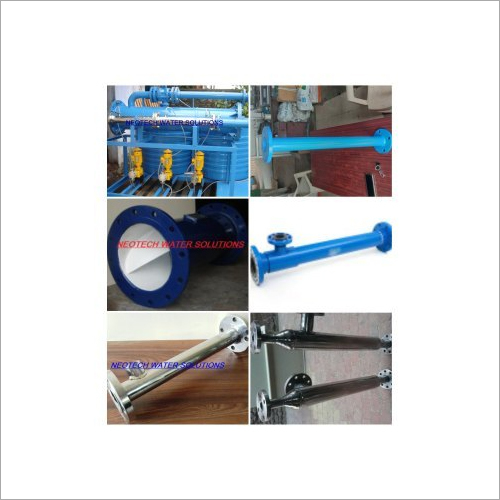
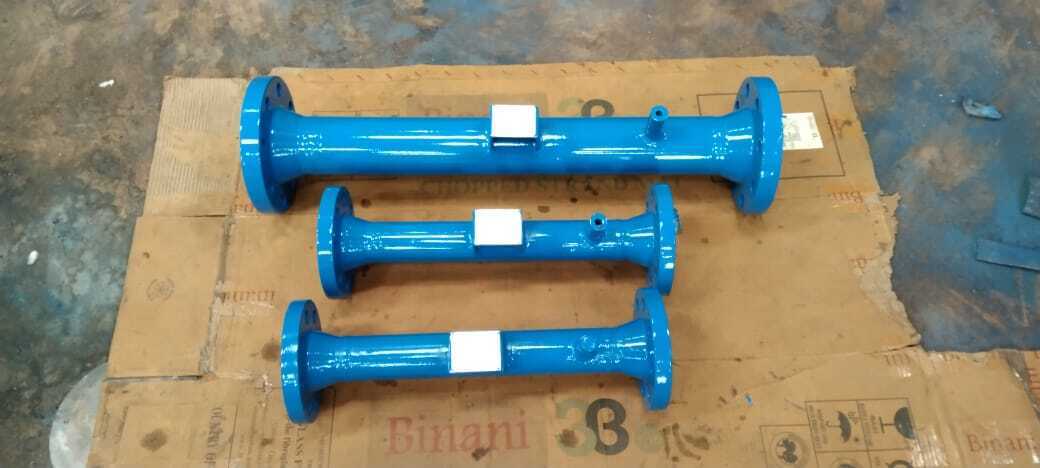
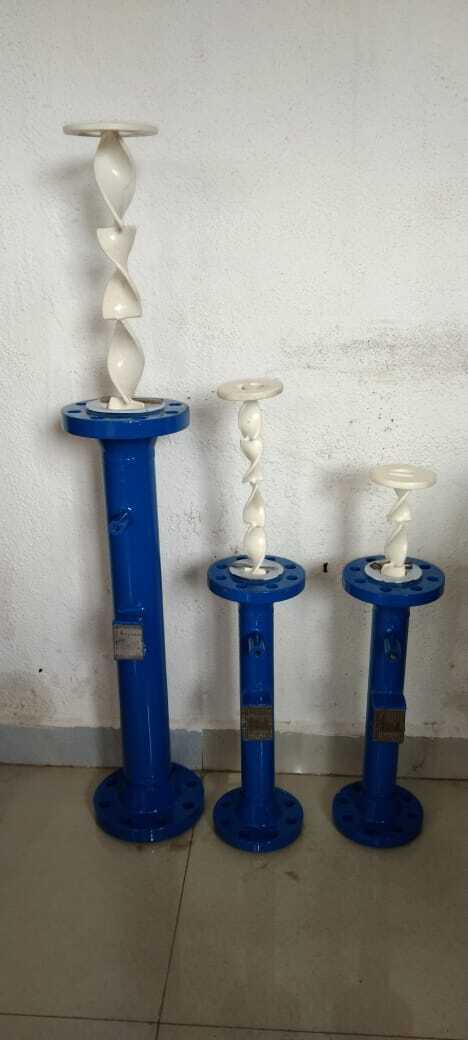
Static mixers consist of stationary elements within a pipe or tube, designed to blend fluids or gases efficiently without moving parts. Typically composed of alternating baffles or elements, they induce turbulence to promote mixing through chaotic advection. The components are often made of materials like stainless steel or plastic, ensuring compatibility with various substances and environments. Static mixers are used in chemical processing, water treatment, and food production for homogenization, emulsification, and dispersion tasks. Their design optimizes performance by maximizing contact between substances while minimizing pressure drop. Specifications vary widely based on application, with designs tailored for specific flow rates and mixing requirements.
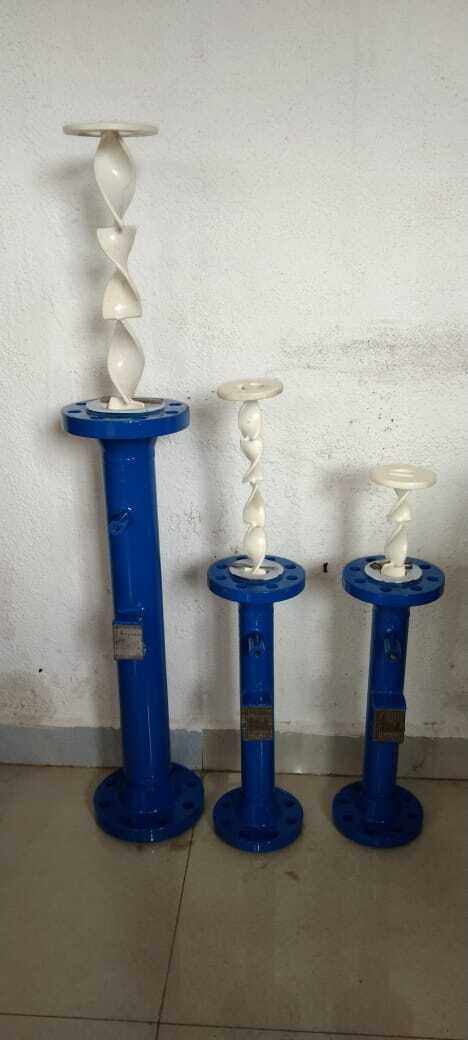
Versatile Connection OptionsStatic mixers come in flanged, threaded, or customized connection configurations to fit seamlessly into new or existing process pipelines. This ensures easy installation and compatibility regardless of site requirements, minimizing integration challenges.
Efficient Mixing TechnologyThe internal elements of static mixers, including helical, grid, or plate-type designs, guarantee thorough homogenization of fluid streams. They are engineered to handle both low and high viscosity substances, delivering consistent mixing for a broad spectrum of industrial applications.
Robust Construction & ComplianceEngineered from premium materials such as SS316, SS304, and PVC, these mixers are built for durability and corrosion resistance. All units adhere to international standards including ASME and DIN, ensuring reliability in stringent industrial environments.
FAQs of Static Mixers:
Q: How does a static mixer function without external power?
A: Static mixers operate passively, relying on the flow of process fluids. As the fluid passes through internal elements like helical or grid structures, turbulence is generated, leading to efficient blending without any need for external energy supply.
Q: What types of fluids can be processed using these static mixers?
A: These mixers handle low to high viscosity liquids, gases, or slurries, making them suitable for various industries that require homogeneous mixing, such as paints, chemicals, water treatment, or food processing.
Q: When should I consider clean-in-place (CIP) options for my static mixer?
A: CIP is advisable when the process involves frequent product changeovers or when residues must be minimized for regulatory compliance or product integrity. CIP solutions can be integrated as required for easier maintenance and cleaning.
Q: Where can static mixers be mounted in a process facility?
A: Static mixers are versatile and can be installed horizontally or vertically within process pipelines. Their connection and dimension flexibility ensure suitability for most industrial layouts.
Q: What compliance standards do static mixers meet?
A: Depending on project requirements, these mixers can be manufactured to comply with ASME, DIN, or custom industrial standards, ensuring safety, reliability, and adherence to industry norms for global applications.
Q: What are the long-term benefits of using a static mixer?
A: With a typical service life of over ten years and no moving parts, static mixers offer minimal maintenance, energy savings due to passive mixing, and reliable operation even under demanding conditions.
Q: How long is the lead time for customized static mixers?
A: Lead times for static mixers typically range from 2 to 4 weeks after order confirmation, depending on customization and production schedules.







 Send Inquiry
 Send SMS

 Send Inquiry
